Understanding the Machining Process Behind HMC Technologies
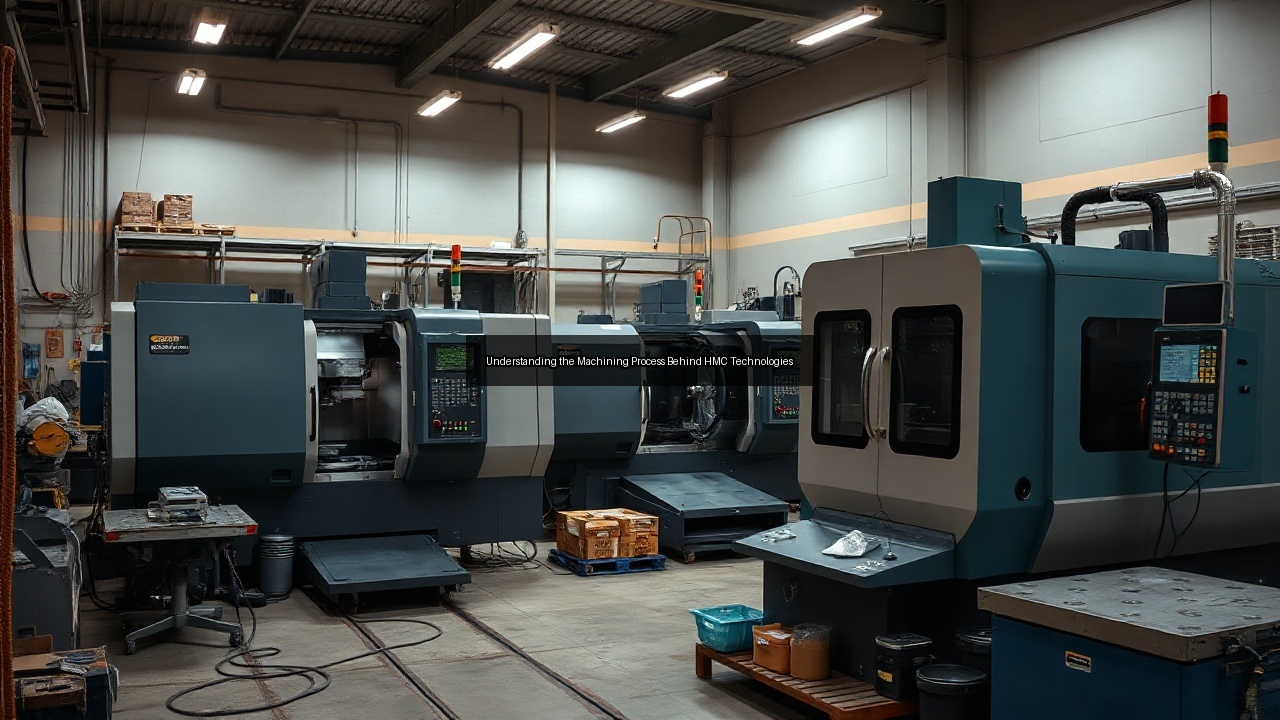
The Fundamentals of HMC Machining Technologies
What is HMC Machining?
HMC machining, or Horizontal Machining Center machining, represents a sophisticated approach to metalworking that emphasizes precision and efficiency. Unlike traditional vertical machining, HMC employs a horizontal orientation for its spindle, allowing for optimal chip removal and better tool access. This configuration suits complex parts with intricate geometries, common in industries such as aerospace, automotive, and medical devices. HMC machining integrates advanced CNC technology, ensuring that every movement is precise and accurate. With the ability to perform multiple operations in a single setup, HMC machining services simplify the manufacturing process, minimize downtime, and deliver high-quality parts consistently. Understanding the intricacies of HMC machining lays the groundwork for exploring its applications and benefits.
Key Components of HMC Machining Centers
HMC machining centers comprise several critical components that work in harmony to ensure efficiency and precision. The primary feature is the horizontal spindle, which facilitates faster and more effective cutting operations. The machine's bed supports the workpiece, often featuring T-slots for securing components, allowing for flexibility in setup. Tool changers enhance productivity by automatically swapping tools as needed, reducing manual intervention. Additionally, the coolant system plays a vital role in maintaining temperature during operations, thereby prolonging tool life and improving surface finishes. Each component contributes significantly to the overall effectiveness of HMC machining centers, making them indispensable tools in any modern machine shop.
The Role of CNC in HMC Technologies
CNC, or Computer Numerical Control, revolutionizes HMC technologies by automating the machining process. CNC machining centers utilize sophisticated software to dictate the movements of the machine tools, ensuring high levels of precision and repeatability. This automation reduces human error and allows for complex machining operations, such as multi-axis milling, that would be nearly impossible to perform manually. CNC systems also enable the programming of intricate geometries and tight tolerances, crucial for sectors like power generation and aerospace. By integrating CNC technology into HMC machining, manufacturers achieve greater productivity and can respond quickly to changing production demands, thus enhancing their competitive edge in the market.
Applications and Advantages of HMC Machining Services
Precision Machining in Various Industries
HMC machining services find applications across a wide range of industries due to their ability to produce highly precise parts. The aerospace sector relies on HMC for creating components that demand stringent tolerances, such as turbine blades and engine casings. In the automotive industry, HMC machining is used for manufacturing critical gear systems and engine parts, where precision directly impacts performance and safety. Medical device manufacturing also benefits from HMC capabilities, producing intricate components essential for surgical tools and implants. The versatility of HMC machining services allows manufacturers to cnc machining meet the diverse needs of different sectors, ensuring that they can deliver high-quality products consistently.
HMC Machining in Power Generation
The power generation industry stands to gain significantly from HMC machining technologies. Components such as turbine housings, generator casings, and heat exchangers require precision machining to function effectively and efficiently. HMC machines excel in producing these large and complex parts with tight tolerances, ensuring that they operate reliably under high-stress conditions. Moreover, the ability to handle heavy materials and perform multiple operations in a single setup translates into reduced lead times and lower manufacturing costs. As global energy demands continue to rise, the role of HMC machining in power generation becomes increasingly critical, driving the need for innovative, high-quality machining solutions.
Advantages of Using HMC for Metalworking
Utilizing HMC for metalworking offers several compelling advantages. First, the horizontal configuration enhances chip removal and coolant flow, leading to improved tool life and surface finish. This efficiency translates into higher productivity rates, allowing machine shops to fulfill larger orders without sacrificing quality. Additionally, HMC machining centers support multi-axis operations, enabling the production of complex geometries cnc machining services in a single setup, thus minimizing the need for additional fixtures and setups. The integration of advanced CNC technologies further boosts efficiency and precision, making HMC an ideal choice for competitive markets. With these advantages, HMC machining services empower manufacturers to optimize their operations and achieve superior results.
Enhancing Productivity with HMC Machining
Optimizing CNC Milling Operations
Optimizing CNC milling operations involves leveraging HMC technologies to enhance overall productivity. CNC milling centers integrated with HMC capabilities can perform multiple tasks, such as drilling, tapping, and contouring, within a single cycle. This multi-tasking ability reduces idle time and increases throughput, allowing machine shops to maximize their output. Additionally, employing advanced cutting tools and strategies, such as high-speed machining, can significantly reduce cycle times while maintaining part integrity. By focusing on continuous improvement in CNC milling operations, manufacturers can ensure they remain competitive in the ever-evolving landscape of metalworking.
Integration of Metrology in HMC Machining
Metrology plays a crucial role in enhancing productivity within HMC machining environments. Accurate measurement systems ensure that parts meet the required specifications, reducing the potential for rework and scrap. Advanced metrology tools, such as coordinate measuring machines (CMMs), enable real-time inspection and feedback during the machining process. Integrating these systems with HMC machining centers allows for immediate adjustments, ensuring that every piece produced adheres to the highest quality standards. This integration not only enhances the efficiency of the manufacturing process but also builds customer trust in the precision and reliability of the products being delivered.
Improving Production Efficiency through Advanced Technologies
Advanced technologies continue to redefine production efficiency in HMC machining. Innovations such as adaptive control systems enable machines to adjust cutting parameters dynamically based on real-time data, optimizing performance and tool life. Furthermore, utilizing simulation software allows manufacturers to visualize machining processes before implementation, identifying potential issues early and optimizing tool paths. Implementing Industry 4.0 principles, including IoT connectivity, enhances data collection and analysis, allowing for smarter decision-making in the production environment. By embracing these advanced technologies, manufacturers can significantly improve productivity, reduce costs, and maintain a competitive advantage in the market.
Future Trends in HMC Machining
Innovations in CNC Technology
Innovations in CNC technology continue to shape the future of HMC machining. Emerging technologies, such as artificial intelligence and machine learning, are being integrated into CNC systems, enabling smarter and more efficient operations. These advancements allow for predictive maintenance, reducing downtime and improving machine reliability. Moreover, developments in software provide enhanced capabilities for programming complex geometries, further pushing the boundaries of what HMC machining can achieve. As CNC technology evolves, manufacturers will benefit from enhanced precision, efficiency, and adaptability, ensuring they can meet the demands of increasingly complex production requirements.
The Impact of Automation on Machining Services
Automation transforms machining services by streamlining operations and reducing labor costs. HMC machining centers equipped with automation technologies, such as robotic arms for loading and unloading, significantly enhance throughput and minimize manual intervention. This shift allows skilled operators to focus on more complex tasks while machines handle repetitive operations. The integration of automation not only improves efficiency but also elevates the overall quality of the machined parts. As more manufacturers adopt automated solutions, the competitive landscape will evolve, driving innovation in machining services and leading to higher standards in production.
Sustainability in HMC Manufacturing
Sustainability increasingly influences HMC manufacturing processes. As industries face pressure to reduce their environmental footprint, innovative practices emerge to enhance efficiency and minimize waste. For instance, recycling metal shavings and implementing closed-loop cooling systems not only reduce material waste but also lower operating costs. Additionally, manufacturers are exploring energy-efficient machining techniques that conserve power while maintaining performance. By adopting sustainable practices, HMC machining services not only comply with regulations but also appeal to environmentally conscious customers. This commitment to sustainability will shape the future of the machining industry, ensuring that it aligns with global efforts toward a greener economy.