The Role of Automation in Modern Cosmetic Manufacturing Solutions
Understanding the Landscape of Cosmetic Contract Manufacturing
The Growth of the Cosmetic Industry
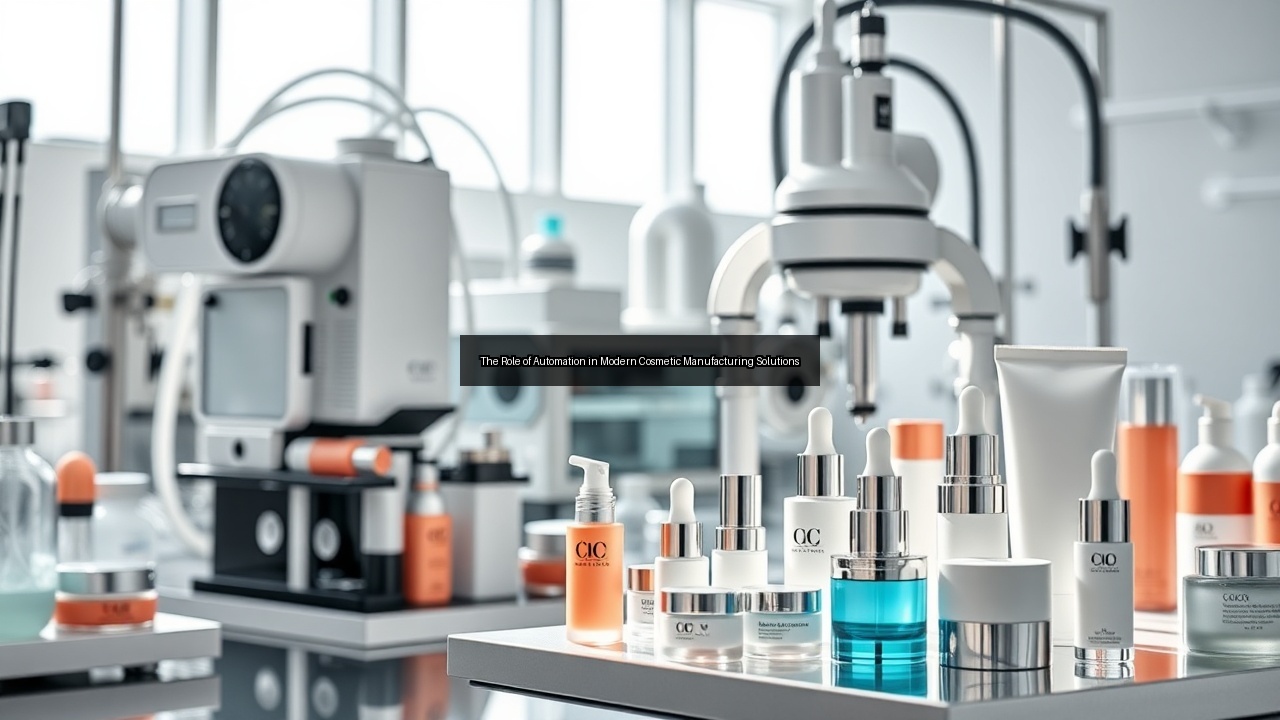
Contract manufacturing cosmetics drives expansion across global markets as brands seek scalable production without heavy capital investment. Skincare and makeup categories lead this surge with demand rising for personalized formulations and rapid market entry. Automation integrates directly into these operations to handle high-volume runs of cosmetic products while maintaining consistency across batches.
Manufacturers now produce everything from basic cleansers to advanced serums under contract terms that emphasize speed and flexibility. This model allows smaller labels to compete with established names by leveraging existing facilities equipped with automated lines. The result shows clear acceleration in product launches and wider availability of skincare products worldwide.
Key Players in Contract Manufacturing
Leading contract manufacturers specialize in cosmetic contract manufacturing services that cover formulation, filling, and final assembly for major brands. These partners invest heavily in automation to process diverse cosmetic products efficiently and meet tight deadlines. Their expertise spans both mass-market makeup lines and premium skincare ranges that require precise ingredient handling.
Many facilities operate as full-service cosmetic manufacturers capable of scaling from pilot batches to full commercial quantities. Automation systems track every step from raw material intake to packaged goods, reducing errors and supporting traceability requirements. Brands evaluate these partners based on equipment capabilities and proven delivery records in contract manufacturing cosmetics.
Types of Cosmetic Products Produced
Contract manufacturing produces a wide array of cosmetic products including foundations, lipsticks, moisturizers, and serums through dedicated automated lines. Makeup items often require color-matching precision that robotic systems deliver consistently across thousands of units. Skincare products benefit from controlled environments that preserve active ingredients during mixing and filling stages.
Manufacturers handle both simple emulsions and complex multi-phase formulas under single contract agreements. Automation enables quick changeovers between product types without compromising hygiene standards. This versatility supports brands that release seasonal makeup collections alongside year-round skincare essentials through the same production partner.
The Impact of Automation on Cosmetic Manufacturing
Streamlining Production Processes
Automation accelerates every stage of cosmetic manufacturing by replacing manual steps with synchronized equipment that mixes, fills, and seals products in continuous flow. Contract manufacturers achieve higher throughput while cutting labor costs on repetitive tasks. This efficiency proves essential when handling contract manufacturing cosmetics for clients with fluctuating order volumes.
Robotic arms and conveyor systems move ingredients through formulation tanks directly into packaging stations without intermediate handling. The process minimizes contamination risks and shortens overall cycle times from raw materials to finished cosmetic products. Manufacturers report measurable gains in daily output that allow faster response to market trends in skincare and makeup.
Enhancing Quality Control and Compliance
Automated inspection stations scan each cosmetic product for fill levels, seal integrity, and label accuracy before release. These systems flag deviations instantly and divert faulty units, maintaining strict standards required in contract manufacturing. Quality data feeds back into process controls to prevent recurrence across future production runs.
Real-time monitoring supports conformity with client specifications and regulatory expectations for skincare products. Automation logs every parameter from temperature during mixing to torque on caps, creating auditable records. Contract manufacturers use this visibility to demonstrate consistent performance and build trust with brands outsourcing their cosmetic manufacturing.
Automation in Packaging Design and Logistics
Automated packaging lines adapt quickly to new design specifications for cosmetic products, printing labels and assembling boxes with minimal downtime. This flexibility lets brands test innovative packaging formats without disrupting ongoing contract manufacturing cosmetics operations. Integrated systems coordinate filling speeds with downstream logistics to avoid bottlenecks.
Robotics handle palletizing and inventory movement that feeds directly into shipping schedules. Manufacturers optimize logistics by tracking finished goods in real time and routing them to distribution centers efficiently. The combination shortens lead times and reduces storage needs for both makeup and skincare lines produced under contract.
Regulatory Compliance and Automation in Cosmetics
Navigating FDA Regulations
Automation assists contract manufacturers in meeting FDA regulations by enforcing standardized procedures that document every production variable. Systems record batch details automatically and generate reports that satisfy inspection requests without manual compilation. This approach reduces compliance overhead while supporting the manufacture of cosmetic products destined for the U.S. market.
Facilities integrate software that flags potential regulatory issues during formulation and filling stages. Automated checks verify ingredient lists against approved substances before production begins. Brands rely on these capabilities when selecting a contract manufacturing partner for skincare and makeup items that must clear FDA review processes smoothly.
Ensuring Ingredient Traceability and Conformity
Traceability systems powered by automation track each ingredient lot from supplier arrival through final packaging of cosmetic products. Barcode and RFID scanning create unbroken chains of custody that verify source and quality at every transfer point. Contract manufacturing operations use this data to confirm conformity with client-approved specifications.
Real-time dashboards display ingredient status across multiple production lines handling both skincare and makeup. Any deviation triggers immediate alerts that halt processes until resolution. This level of control protects brands from recalls and strengthens their position when marketing cosmetic contract manufacturing services as reliable and transparent.
The Role of Automation in Meeting Regulatory Standards
Automated validation protocols run checks on equipment cleanliness and calibration before each shift in cosmetic manufacturing facilities. These routines ensure ongoing adherence to standards that govern contract manufacturing cosmetics. Software maintains version-controlled records that auditors review quickly during site visits.
Process controls adjust parameters automatically when sensors detect variations that could affect product safety or labeling accuracy. Manufacturers document these interventions to demonstrate proactive compliance. The approach builds a strong foundation for long-term partnerships with brands that prioritize regulatory reliability in their outsourced production.
Cost-Effectiveness and Efficiency Through Automation
Balancing Cost and Quantity in Production
Automation lowers per-unit costs in contract manufacturing by spreading fixed equipment expenses across larger production quantities of cosmetic products. High-speed lines deliver economies that manual methods cannot match when volumes increase. Manufacturers pass these savings to clients while preserving margins on skincare and makeup orders.
Flexible programming allows the same automated setup to handle both small test runs and full-scale manufacturing without major retooling. This adaptability supports brands that need to balance cost targets with demand forecasts. Contract manufacturing cosmetics becomes more accessible when automation aligns output capacity with actual order sizes.
Hybrid Manufacturing Models
Hybrid models combine automated core processes with selective manual oversight for specialized cosmetic products that require custom touches. Contract manufacturers apply robotics to repetitive tasks while skilled technicians handle nuanced adjustments during formulation. This balance maintains quality across diverse makeup and skincare lines produced under one agreement.
Automation manages the bulk of filling and packaging while human input focuses on creative elements or complex assemblies. The model optimizes labor allocation and reduces overall expenses. Brands benefit from hybrid flexibility when launching innovative cosmetic products that demand both precision and artisanal detail through their contract manufacturing partner.
Evaluating Contract Manufacturing Partnerships
Brands assess automation capabilities when selecting contract manufacturing partners for cosmetics production. Key factors include equipment modernity, integration with traceability software, and proven throughput on similar cosmetic products. Site visits reveal how automation supports both cost control and delivery reliability.
Successful evaluations focus on total cost of ownership rather than headline pricing alone. Partners that demonstrate strong automation deliver measurable advantages in consistency and speed. This due diligence ensures alignment between brand goals and the operational strengths of the chosen cosmetic manufacturer.
Future Trends in Automated Cosmetic Manufacturing Solutions
Innovations in Skincare and Makeup Production
Advances in automation introduce modular systems that switch between skincare and makeup formulas with minimal intervention. Contract manufacturers adopt these technologies to shorten development cycles for new cosmetic products. AI-guided mixing optimizes ingredient ratios in real time to match target textures and performance claims.
Robotic filling heads now accommodate a broader range of viscosities without hardware changes. This capability expands the types of cosmetic contract manufacturing services available to brands seeking differentiation. Production lines evolve to support frequent updates in makeup shades and skincare actives driven by consumer research.
Sustainability and Eco-friendly Practices
Automated systems reduce material waste during cosmetic manufacturing by dosing ingredients with high precision and minimizing overruns. Contract manufacturers implement closed-loop processes that recycle water and recover excess product for rework. These measures lower environmental impact while supporting cost targets in contract manufacturing cosmetics.
Packaging automation incorporates recyclable materials and optimized designs that cut shipping weight. Manufacturers track sustainability metrics through integrated software that reports progress to brand partners. Eco-friendly automation aligns production practices with growing demand for responsible skincare and makeup options.
The Rise of Cosmeceuticals and Their Manufacturing Needs
Cosmeceuticals demand stricter process controls that automation delivers through validated environments and precise parameter management. Contract manufacturers scale production of these hybrid skincare and makeup items while meeting elevated quality thresholds. Automated monitoring ensures active ingredients remain stable throughout manufacture and packaging.
Specialized lines handle sensitive formulations that require temperature and light protection during filling. Brands turn to partners with advanced automation to bring cosmeceutical products to market efficiently. This capability positions contract manufacturing cosmetics as a strategic route for companies expanding into high-performance categories.
See Also
- Choosing the Right Contract Manufacturing Partner for Your Cosmetic Brand
- Understanding Traceability and Conformity in Contract Manufacturing Cosmetics
- Exploring Hybrid Models in Contract Manufacturing for Skincare and Makeup Products
- The Rise of Contract Manufacturing in Skincare and Makeup Innovation