Choosing the Right 5 Axis Laser Cutter for Your Business Needs
Understanding 5 Axis Laser Cutting Technology
What is 5 Axis Laser Cutting?
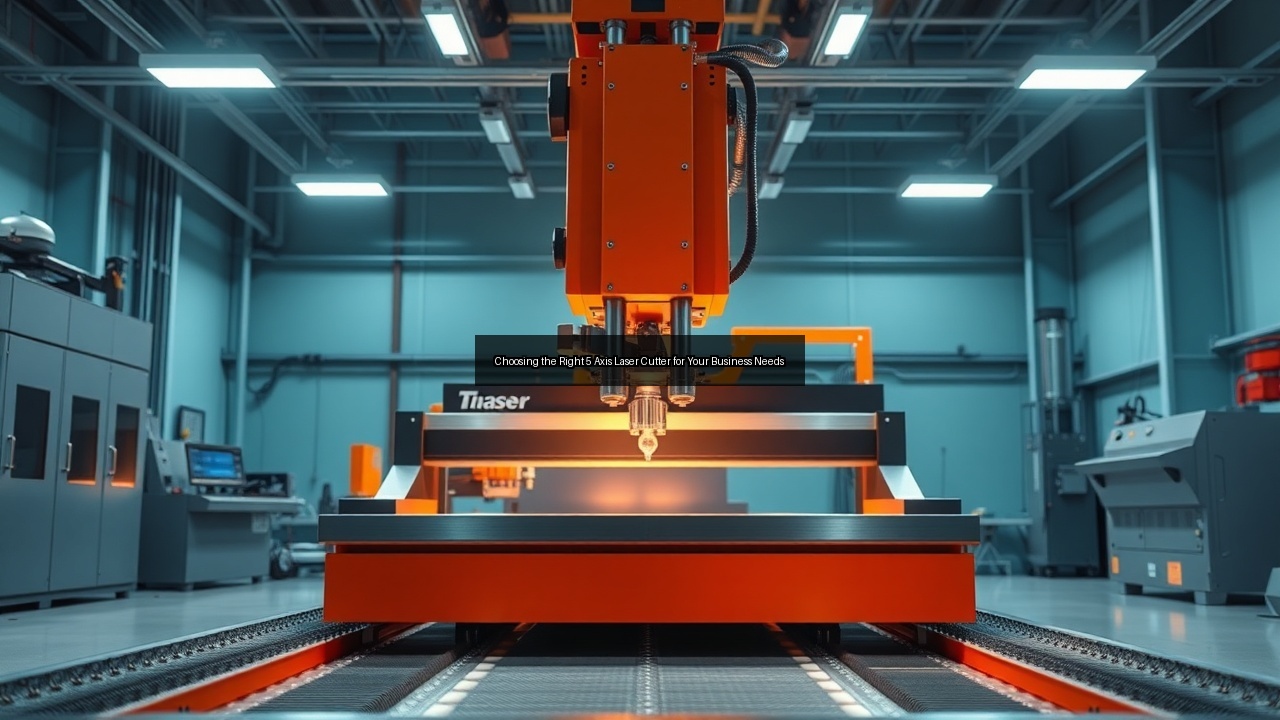
5 axis laser cutting moves the laser head along five independent axes to produce complex three-dimensional shapes in a single setup. The machine controls linear X, Y, and Z motion plus two rotary axes that tilt and rotate the head or the part. This freedom lets operators cut angled holes, bevel edges, and contoured profiles without repositioning the workpiece. Manufacturers apply the process to tube structures, aerospace brackets, and intricate architectural panels where traditional flat-bed systems fall short. The added axes reduce secondary operations such as milling or grinding, shorten lead times, and improve repeatability across production runs. Shops that already run cnc machining cells integrate five-axis laser heads to expand capability without adding new fixtures.
Key Components of 5 Axis Laser Cutters
Every reliable 5 axis laser cutter combines a high-power fiber or CO2 laser source, a rigid gantry or robotic arm, precision linear guides, and direct-drive rotary tables. The controller synchronizes all five axes in real time while maintaining constant beam focus through automatic height sensing. CAM software translates 3D models into toolpaths that account for beam width and material thickness. Cooling systems protect optics during long cuts, and safety enclosures contain fumes and stray light. Optional rotary chucks handle pipe and tube work common in hvac duct fabrication. These elements work together to deliver clean edges on stainless steel, aluminum, and titanium without excessive heat-affected zones.
Advantages of 5 Axis Laser Cutting over Traditional Methods
Traditional stamping and three-axis laser cutting require multiple setups and custom dies that raise costs for short runs. Five-axis systems cut the same part in one clamping, eliminate most fixtures, and allow last-minute design changes through software alone. Edge quality improves because the beam stays perpendicular to the surface even on compound curves. Metal fabrication shops report fewer weld gaps and faster assembly because bevels and miters arrive ready to join. The process also handles mixed materials in the same job, giving engineering teams more flexibility than waterjet or plasma tables while maintaining tight tolerances on critical features.
Assessing Your Business Needs for Laser Cutting
Identifying Your Material Types: Metals and Beyond
Start by listing every material your parts require. Most 5 axis laser cutting services excel with carbon steel, stainless, aluminum, and copper alloys up to 25 mm thick. Some machines also process engineering plastics, composites, and coated sheets when equipped with the right wavelength and assist gas. Document typical thicknesses, surface finishes, and any reflective or heat-sensitive properties. Shops that serve both metals fabrication and hvac contractors often need dual-source machines that switch between fiber and CO2 without downtime. Accurate material data drives power and speed settings that protect edge quality and minimize scrap.
Volume and Scalability Considerations
High-volume runs favor machines with fast shuttle tables and automated material handling that keep the laser cutting process running continuously. Lower volumes or frequent design changes benefit from flexible five-axis heads that adapt quickly through CAM updates. Calculate average weekly hours of laser time and project growth over three years. A machine that handles 80 percent of current work but cannot scale will force expensive upgrades sooner than expected. Many fabricators begin with a single 5 axis laser and add a second identical unit once utilization exceeds 70 percent, preserving operator familiarity and spare-parts commonality.
Precision and Tolerance Requirements
Review the tightest tolerances on drawings and compare them against machine specifications. Five-axis systems routinely hold ±0.1 mm on linear features and ±0.2 degrees on angles when properly calibrated. Parts destined for welding or press-fit assembly often need even tighter control on hole positions. Factor in material spring-back and thermal expansion during quoting. Reliable suppliers provide capability studies that show real-world performance on your specific alloys. Insist on these data before committing to any laser cutter purchase or laser cutting service contract.
Choosing the Right 5 Axis Laser Cutter
Top Features to Look For in a Laser Cutter
Prioritize a rigid machine frame that resists vibration at high traverse speeds. Look for automatic nozzle changers, real-time beam monitoring, and integrated collision avoidance that protect both the head and expensive parts. Software that imports native CAD files and generates collision-free five-axis paths reduces programming time. Energy-efficient fiber lasers cut operating costs compared with older CO2 models. Finally, verify local service support and spare-parts availability so downtime stays minimal when the laser cutter runs three shifts.
Evaluating Laser Cutting Equipment Options
Compare machines from several builders on the same test part that mirrors your typical geometry. Measure cut time, edge roughness, and dimensional accuracy side by side. Ask about maximum workpiece size, maximum tilt angle, and available automation options. Factor in floor space, power requirements, and training included with the purchase. Some 5 axis laser cutting equipment offers modular rotary tables that grow with part complexity, while others lock you into a fixed configuration. Site visits to existing installations reveal real-world reliability that brochures omit.
Integration with CNC Machining and CAM Software
Seamless integration lets programmers move parts between milling centers and the five-axis laser without file translation errors. Modern CAM packages simulate the full laser cutting process, flag gouges, and optimize lead-in strategies automatically. Post-processors tailored to your specific controller prevent syntax mismatches that halt production. Shops already invested in cnc machining find that a single CAM seat controlling both milling and laser operations simplifies scheduling and reduces training overhead. Confirm that the laser supplier provides updated post-processors whenever controller firmware changes.
The Role of Laser Cutting Services in Your Industry
Common Applications in Metal Fabrication and HVAC
Metal fabrication contractors use 5 axis laser cutting to produce structural brackets, machine guards, and decorative screens with compound angles. HVAC manufacturers rely on the same technology for duct elbows, transition pieces, and custom fittings that fit irregular equipment layouts. The process creates precise notches and tabs that speed assembly and reduce leak paths. Because the laser cuts directly from 3D models, fabricators deliver one-off prototypes the same day and shift to volume production without new tooling.
How to Select a Reliable Laser Cutting Service
Visit the shop floor and inspect finished parts for consistent edge quality and minimal dross. Request references from customers in your industry and ask about on-time delivery performance. A dependable laser cutting https://www.metalcraftspinning.com/5-axis-laser-cutting/ service maintains multiple machines so a single breakdown does not halt your schedule. Clear communication channels, digital job tracking, and willingness to run material test coupons before full production all signal professionalism. Avoid vendors that quote solely on price without reviewing drawings for manufacturability.
Cost Considerations and Budgeting for Laser Cutting
Calculate total cost per part including material, machine time, programming, and finishing. Five-axis work often costs more per hour than flat cutting yet saves money by eliminating secondary operations and fixtures. Budget for periodic optics replacement and assist-gas consumption, which rises with thicker metals. Many companies keep an in-house machine for high runners and outsource overflow or specialized jobs to laser cutting services. Track actual costs quarterly and adjust the make-versus-buy mix to protect margins.
Maximizing Efficiency with Laser Cutting Technology
Maintenance and Upkeep of Laser Cutting Machines
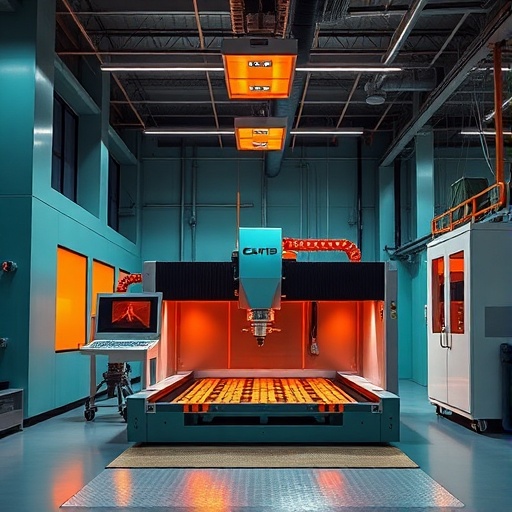
Daily checks of lens condition, assist-gas pressure, and axis lubrication prevent unexpected stops. Weekly calibration of rotary encoders maintains accuracy on five-axis moves. Annual factory service verifies beam alignment and replaces wear items before they cause defects. Shops that log every maintenance action build a history that predicts component life and justifies capital requests. Clean, dry shop air and stable power further extend laser source longevity and keep the cutter available for rush orders.
Training Staff for Effective Use of Laser Cutters
Operators need both machine-specific training and a solid grasp of five-axis kinematics. Start with vendor courses, then supplement with internal mentoring on your parts and materials. Cross-train programmers on CAM simulation so they catch errors before the laser runs. Encourage continuous improvement by sharing best practices for nesting, lead-in placement, and parameter tweaks that improve speed without sacrificing quality. Well-trained teams extract full value from the 5 axis laser investment.
Innovations in Laser Cutting Technology and Future Trends
New beam-shaping optics allow variable spot sizes that improve thick-section cuts and thin-sheet speeds on the same machine. Artificial-intelligence routines now adjust power and feed in real time based on melt-pool feedback. Larger working envelopes and collaborative robots bring five-axis capability to smaller job shops previously limited to three-axis tables. As these advances reach the market, companies that already understand 5 axis laser cutting position themselves to adopt upgrades quickly and maintain competitive lead times in metal fabrication and hvac markets.
See Also
- The Future of Metal Fabrication is Here with 5 Axis Laser Cutting
- Why 5 Axis Laser Cutting is Essential for Precision Engineering
- Enhancing Design Flexibility with 5 Axis Laser Cut Solutions
- Maximizing Efficiency with Advanced 5 Axis Laser Cutting Equipment
- 5 Axis Laser Cutting Technology Transforming the HVAC Industry